IEF 14121
Verontschuldigbaarheid van overschrijding hersteltermijn
ABRvS 13 augustus 2014, IEF 14121 (Vormgebrekenbrief voor 2012)Octrooirecht. Beleid. Procesrecht. Het Octrooicentrum NL heeft een verzoek tot herstel van het Europees Octrooi afgewezen in 2011, nu wordt het beroep alsnog gegrond verklaard en wordt het besluit wegens strijd met het zorgvuldigheidsbeginsel (3:2 Awb) vernietigd. Tot begin 2012 zond Octrooicentrum een vormgebrekenbrief, maar zij constateerde dat zij, anders dan waarvan zij tot die tijd van uitging, dat zij niet verplicht is tot het bieden van een hersteltermijn. Overschrijding van 52 lid 1 Row 1995 diende het Octrooicentrum verontschuldigbaarheid van de overschrijding van de geboden hersteltermijn te beoordelen.
3.1. Na overschrijding van onder meer de termijn uit artikel 52, eerste lid, van de Row 1995 kan een verzoek worden gedaan tot herstel in de vorige toestand als bedoeld in artikel 23, eerste lid, van de Row 1995. Op grond van dit artikellid wordt daartoe overgegaan indien de houder van een Europees octrooi alle in de gegeven omstandigheden geboden zorgvuldigheid heeft betracht.
3.3. Vaststaat dat Octrooicentrum Nederland tot begin 2012 in geval van overschrijding van de termijn als bedoeld in artikel 52, eerste lid, van de Row 1995 betrokkenen een zogenoemde vormgebrekenbrief zond waarin een hersteltermijn werd geboden. Voor de vraag of sprake was van zekere verontschuldigbare omstandigheden - als bedoeld onder 3.2 - werd tot begin 2012 beoordeeld onder welke omstandigheden de door Octrooicentrum Nederland geboden hersteltermijn was overschreden. Begin 2012 constateerde Octrooicentrum Nederland dat in geval van overschrijding van de termijn als bedoeld in artikel 52, eerste lid, van de Row 1995 de wet - anders dan waarvan het tot die tijd uitging - niet verplicht tot het bieden van een hersteltermijn. Vanaf dat moment wordt, zoals ter zitting is gebleken, voor de vraag of sprake is van zekere verontschuldigbare omstandigheden beoordeeld onder welke omstandigheden de in artikel 52, eerste lid, van de Row 1995 bedoelde termijn is overschreden.
3.4. De overschrijding van de termijn als bedoeld in artikel 52, eerste lid, van de Row 1995 door [appellante] heeft plaatsgevonden in 2011. Bij de behandeling van het verzoek als bedoeld in artikel 23, eerste lid, van de Row 1995 diende Octrooicentrum Nederland derhalve de verontschuldigbaarheid van overschrijding van de aan [appellante] geboden hersteltermijn en niet de verontschuldigbaarheid van overschrijding van de termijn als bedoeld in artikel 52, eerste lid, van de Row 1995 te beoordelen. Dat Octrooicentrum Nederland op 10 mei 2012 - en derhalve na voornoemde wijziging van de werkwijze - heeft beslist op het verzoek van [appellante] maakt dit niet anders, nu de overschrijding van de termijn als bedoeld in artikel 52, eerste lid, van de Row 1995 voor de kennisgeving van alsmede voor de daadwerkelijke wijziging van de werkwijze heeft plaatsgevonden. De rechtbank heeft dit niet onderkend.
4. Het hoger beroep is gegrond. De aangevallen uitspraak dient te worden vernietigd. Doende hetgeen de rechtbank zou behoren te doen, zal de Afdeling het beroep alsnog gegrond verklaren en het besluit van 12 oktober 2012 vernietigen wegens strijd met de ingevolge artikel 3:2 van de Algemene wet bestuursrecht bij de voorbereiding van een besluit te betrachten zorgvuldigheid.
 Bijdrage ingezonden door Bas Kist,
  Octrooirecht. Marchfun is houdster van
 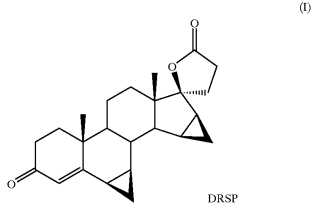 Octrooirecht. Geen equivalentie. Bayer is houdster van (moederoctrooi)
 ) Verzoek om een prejudiciële beslissing voor uitlegging van artikel 6, lid 2, sub c, van richtlijn 98/44/EG, over de betekenis van 'menselijke embryo's in dit artikel. In de zaak Brüstle stelde het Bundesgerichtshof onder meer de vraag of „onbevruchte menselijke eicellen, die worden gestimuleerd tot deling en verdere ontwikkeling middels parthenogenese” onder de term „menselijk embryo’s” bedoeld in artikel 6, lid 2, sub c, van de richtlijn vallen. Die vraag is door het Hof bevestigend beantwoord. Omdat bij de verwijzende rechter twijfels over dat antwoord leven, wenst hij met zijn enige vraag in casu te vernemen of de Brüstle uitspraak ook op die parthenogenetisch geactiveerde onbevruchte menselijke eicellen van toepassing is wanneer daarbij de volgende precisering geldt: „die anders dan bevruchte eicellen enkel pluripotente cellen bevatten en zich niet kunnen ontwikkelen tot menselijke wezens”.
Verzoek om een prejudiciële beslissing voor uitlegging van artikel 6, lid 2, sub c, van richtlijn 98/44/EG, over de betekenis van 'menselijke embryo's in dit artikel. In de zaak Brüstle stelde het Bundesgerichtshof onder meer de vraag of „onbevruchte menselijke eicellen, die worden gestimuleerd tot deling en verdere ontwikkeling middels parthenogenese” onder de term „menselijk embryo’s” bedoeld in artikel 6, lid 2, sub c, van de richtlijn vallen. Die vraag is door het Hof bevestigend beantwoord. Omdat bij de verwijzende rechter twijfels over dat antwoord leven, wenst hij met zijn enige vraag in casu te vernemen of de Brüstle uitspraak ook op die parthenogenetisch geactiveerde onbevruchte menselijke eicellen van toepassing is wanneer daarbij de volgende precisering geldt: „die anders dan bevruchte eicellen enkel pluripotente cellen bevatten en zich niet kunnen ontwikkelen tot menselijke wezens”. Uitspraak ingezonden door Martijn de Lange,
 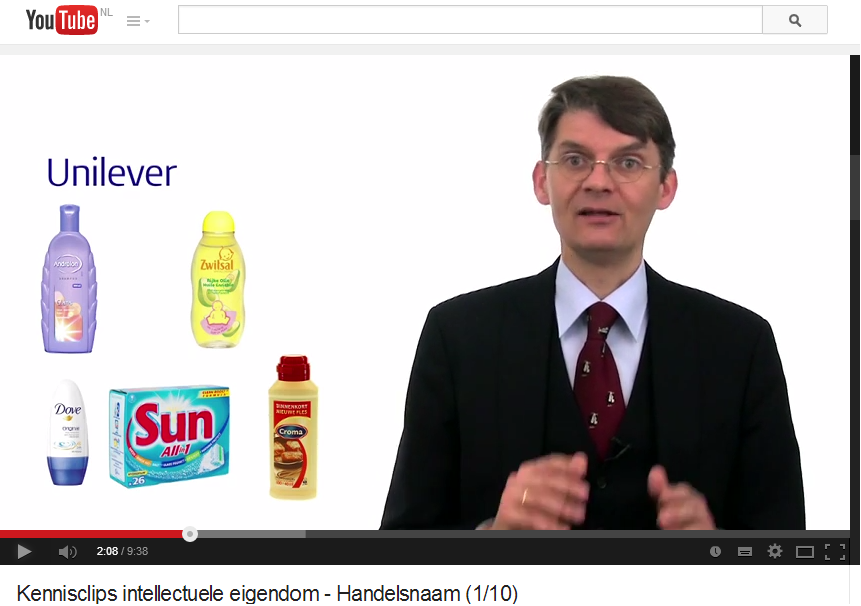 Recent heeft Dirk Visser tien kennisclips intellectuele eigendom gemaakt. Het zijn korte filmpjes van tussen de acht en de tien minuten. Ze zijn bedoeld als inleiding en aanvulling op het onderwijs voor de eerstejaars rechtenstudenten in Leiden. Deze ‘kennisclips IE’ kunnen ook dienen als eerste kennismaking met de verschillende deelgebieden van het recht van de intellectuele eigendom voor studenten aan andere universiteiten of hbo-instellingen en voor andere belangstellenden. Voorkennis is niet nodig. De kennisclips zijn
  Octrooirecht. Stukgelopen samenwerking. X is betrokken geweest bij testen van prototypes van een "damstructuur voor overstromingsbeveiliging" waarvoor een octrooiaanvrage was gedaan. Slamdam legt X een royaltyovereenkomst voor, deze wordt niet ondertekend. Er is echter nog geen sprake van een octrooi (70 lid 2 ROW), slechts een aanvrage en deze aanvrage staat niet op naam van X. Dat er op een essentieel onderdeel van de materie is bijgedragen, staat niet vast zolang het octrooi niet met succes is opgeëist (78 ROW). Er is geen verbod op gebruik van know how gevorderd. De vordering wordt afgewezen.
 Since the last information provided to the Competitiveness Council at its meeting of December 2013, the Select Committee has:


